"The Facility Manager’s 2026 Checklist
for Post-Construction Cleanup & Compliance"
KEY TAKE-AWAYS:
The Problem: Post-construction dust (silica) and debris are safety hazards that delay move-ins.
The Solution: A 3-phase cleaning process (Rough, Final, Fluff) ensuring OSHA compliance and indoor air quality (IAQ).
How Does Post-Construction Cleaning Impact Building Occupancy Permits?
In Maryland, Virginia, and D.C., a Certificate of Occupancy (CO) is not merely a formality; it is a legal requirement that hinges on the building being "safe and habitable." Post-construction cleaning directly impacts this process by ensuring that inspectors can perform accurate, unobstructed reviews of the work. For example, local jurisdictions like Montgomery County and Prince George's County require final inspections for building, electrical, and mechanical disciplines.
Professional cleaning facilitates these permits by:
Clearing Life-Safety Hazards: Under OSHA 1926.25, a site must be free of combustible scrap, debris, and protruding nails. An inspector may fail a building if emergency exits are blocked by leftover materials or if floors are hazardous.
Ensuring System Functionality: Dust buildup in HVAC vents or electrical panels can lead to mechanical failure or pose a fire risk. Thorough cleaning ensures systems are operational and meet the health code requirements necessary for occupancy.
Revealing Latent Defects: A "Final Clean" removes the dust film that often masks cracks in finishes, incomplete caulking, or moisture penetration—all of which must be resolved before a code official issues the final stamp of approval.
Without a comprehensive cleaning, you risk a Correction Notice, which triggers costly reinspection fees and delays your grand opening.
"What are the phases of post-construction cleaning?"
Phase 1: Rough Clean – Removing Bulk Debris & Hazardous Materials
The
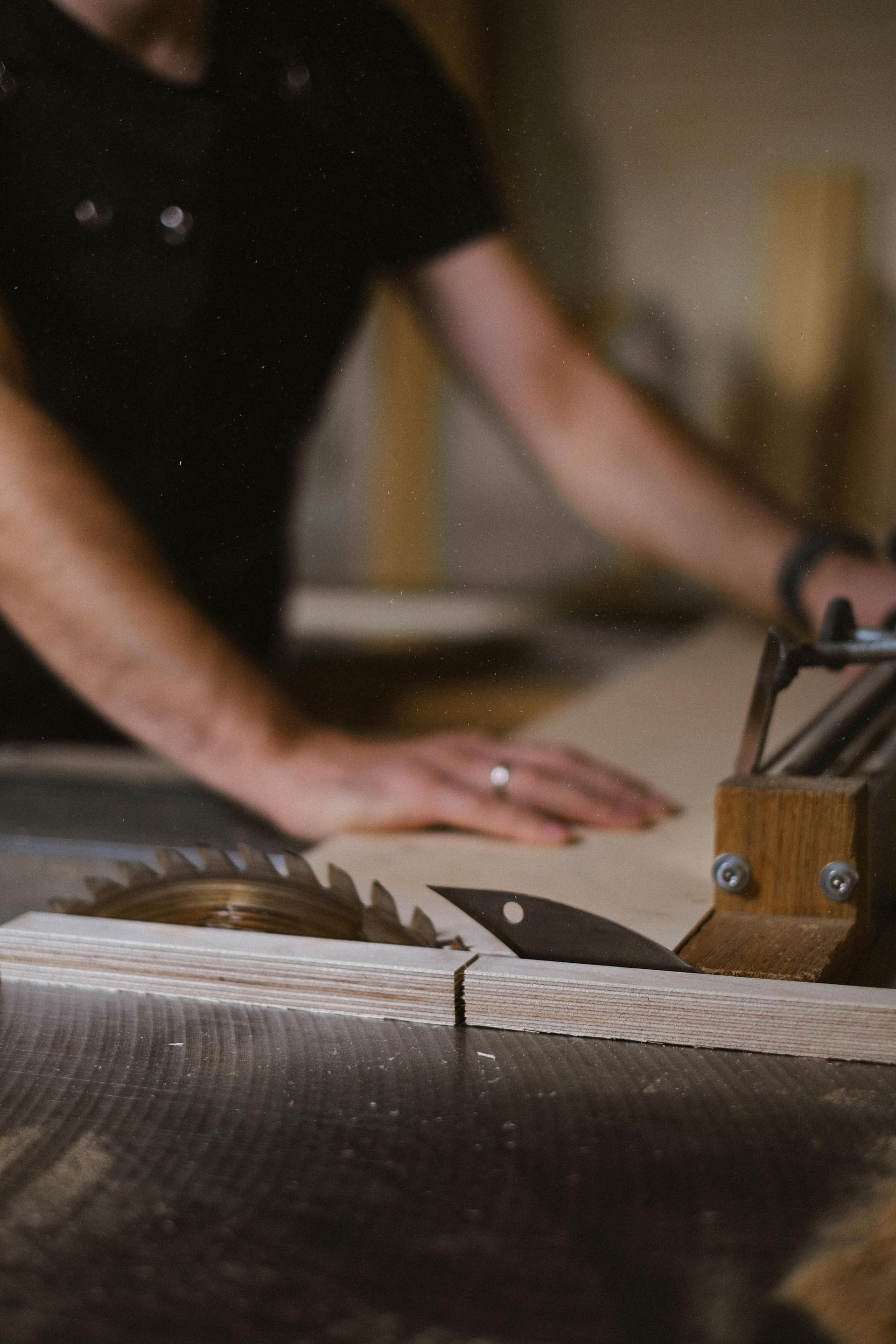
Rough Clean phase serves as the critical foundation of the post-construction process, occurring immediately after the heavy framing, electrical, and plumbing installations are complete but before the final finishes are applied. During this stage, the focus is on the systematic removal of bulk debris—such as lumber offcuts, drywall scraps, and oversized packaging—that can pose significant trip hazards and impede the progress of subcontractors. Beyond simple trash removal, this phase addresses
hazardous material mitigation, ensuring that sharp metal shards, protruding nails, and combustible materials are cleared in accordance with
OSHA Standard 1926.25. By stripping the site down to its shell and performing a preliminary sweep of all surfaces, Aquafree ensures that the environment is safe for detailed installations and that no hidden debris is trapped behind new walls or flooring.
Phase 2: The Final Interior Deep Clean – Precision & Sanitation
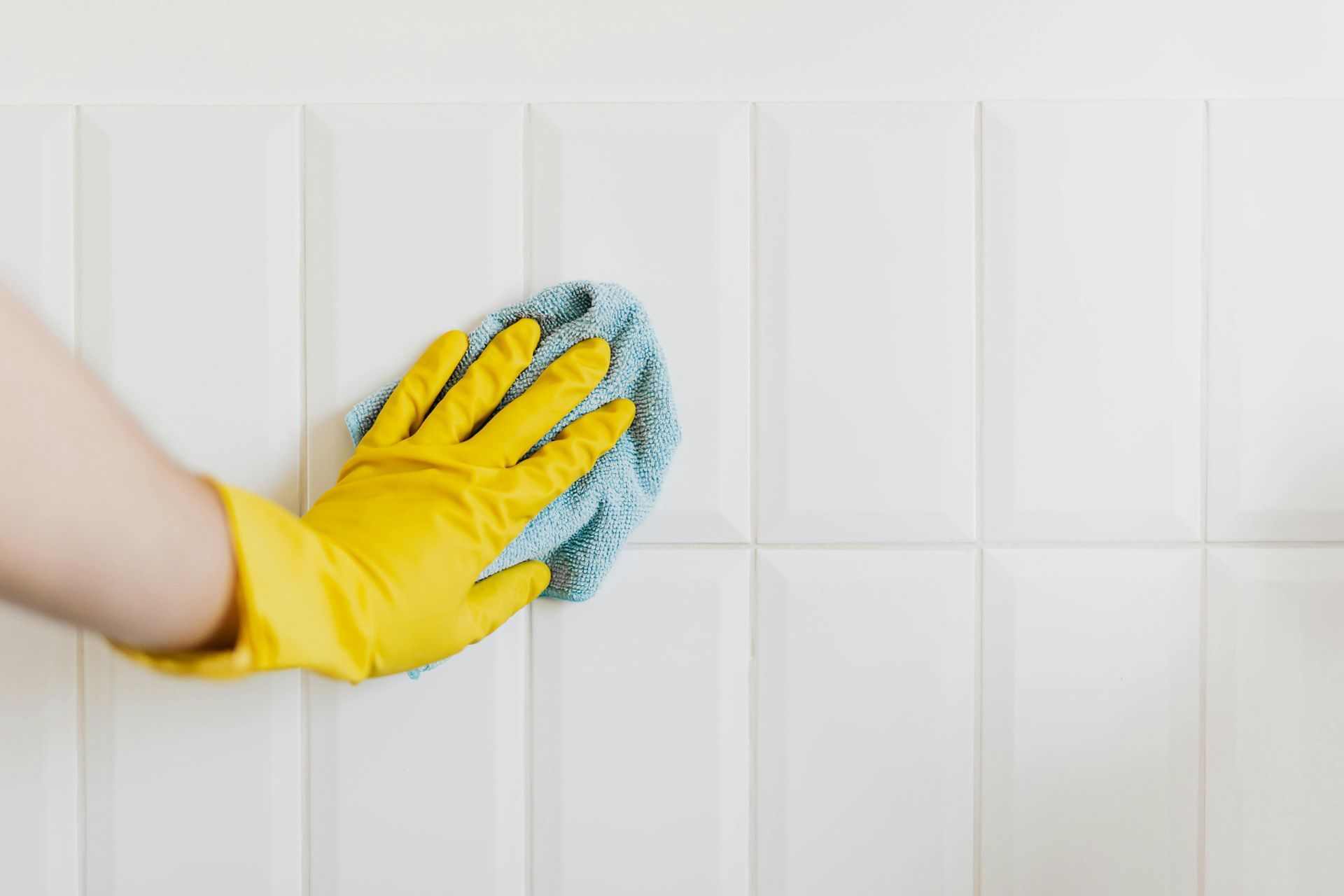
While the rough clean manages the "macro" debris, Phase 2: The Final Interior Deep Clean is a meticulous, detail-oriented operation that transitions the site from a "construction zone" to a "walk-in ready" facility. This is the most labor-intensive stage, where every square inch—from the ceiling struts to the baseboards—is scrubbed, polished, and sanitized. Our teams utilize industrial-grade HEPA (High-Efficiency Particulate Air) filtration vacuums to capture microscopic silica dust that settles after drywall sanding, ensuring the air quality meets safety standards for future occupants. We focus on "hidden" areas often missed by standard crews, such as the tops of door frames, inside cabinetry, and light fixture housings. This phase also includes the specialized treatment of windows and glass to remove stickers, overspray, and caulking residue without scratching the surface, as well as the deep scrubbing and sealing of hard flooring or the steam cleaning of carpets.
Phase 3: The "Fluff" Clean – Final Polish Before the Grand Opening
The final "Fluff" or "Touch-up" clean occurs several days after the deep clean, typically just 24 to 48 hours before the keys are handed over to the owner. Even in a sealed building, dust particles remaining in the air will eventually settle on horizontal surfaces. During this phase, we perform a high-speed sweep of the facility to remove these "settled" particles, wipe away any new smudges or fingerprints left by inspectors or furniture movers, and give the floors a final buff. This ensures that when the client walks through the doors for the first time, the facility is visually flawless and smells fresh.
Cleaning Type Data & Comparison Tables
| Cleaning Type | Scope of Work | Typical Timeline | Essential Equipment |
|---|---|---|---|
| Post-Construction | HEPA vacuuming, glass restoration, duct cleaning | 3–7 Days | Industrial Scrubbers, HEPA Vacs |
| Standard Janitorial | Trash removal, surface dusting, floor mopping | Daily/Weekly | Microfiber mops, multipurpose cleaners |
FAQ and Answers
“What is the difference between a final clean and a fluff clean?”
A final clean involves deep sanitation of every surface, including inside cabinets and light fixtures. A fluff clean is a last-minute touch-up performed 48 hours before the grand opening to remove settled dust.